|
Happy 2026! As we settle into the new year, we hope you had a restful and meaningful holiday season. Just over six months ago, in June 2025, we took a significant step forward ͏ ͏ ͏ ͏ ͏ ͏ ͏ ͏ ͏ ͏ ͏ ͏ ͏ ͏ ͏ ͏ ͏ ͏ ͏ ͏ ͏ ͏ ͏ ͏ ͏ ͏ ͏ ͏ ͏ ͏ ͏ ͏ ͏ ͏ ͏ ͏ ͏ ͏ ͏ ͏ ͏ ͏ ͏ ͏ ͏ ͏ ͏ ͏ ͏ ͏ ͏ ͏ ͏ ͏ ͏ ͏ ͏ ͏ ͏ ͏ ͏ ͏ ͏ ͏ ͏ ͏ ͏ ͏ ͏ ͏ ͏ ͏ ͏ ͏ ͏ ͏ ͏ ͏ ͏ ͏ ͏ ͏ ͏ ͏ ͏ ͏ ͏ ͏ ͏ ͏ ͏ ͏ ͏ ͏ ͏ ͏ ͏ ͏ ͏ ͏ ͏ ͏ ͏ ͏ ͏ ͏ ͏ ͏ ͏ ͏ ͏ ͏ ͏ ͏ ͏ ͏ ͏ ͏ ͏ ͏ ͏ ͏ ͏ ͏ ͏ ͏ ͏ ͏ ͏ ͏ ͏ ͏ ͏ ͏ ͏ ͏ ͏ ͏ ͏ ͏ ͏ ͏ ͏ ͏ ͏ ͏ ͏ ͏ ͏ ͏ ͏ ͏ ͏ ͏ ͏ ͏ ͏ ͏ ͏ ͏ ͏ ͏ ͏ ͏ ͏ ͏ ͏ ͏ ͏ ͏ ͏ ͏ ͏ ͏ ͏ ͏ ͏ ͏ ͏ ͏ ͏ ͏ ͏ ͏ ͏ ͏ ͏ ͏ ͏ ͏ ͏ ͏ ͏ ͏ ͏ ͏ ͏ ͏ ͏ ͏ ͏ ͏ ͏ ͏ ͏ ͏ ͏ ͏ ͏ ͏ ͏ ͏ ͏ ͏ ͏ ͏ ͏ ͏ ͏ ͏ ͏ ͏ ͏ ͏ ͏ ͏ ͏ ͏ ͏ ͏ ͏ ͏ ͏ ͏ ͏ ͏ ͏ ͏ ͏ ͏ ͏ ͏ ͏ ͏ ͏ ͏ ͏ ͏ ͏ ͏ ͏ ͏ ͏ ͏ ͏
|
ECRF PEACH MONTHLY NEWSLETTER January 2026 Edition
|
|
Happy 2026! As we settle into the new year, we hope you had a restful and meaningful holiday season. Just over six months ago, in June 2025, we took a significant step forward with the launch of the Endometrial Cancer Research Foundation (ECRF). What began as a shared vision has grown into a vibrant Peach community rooted in purpose, collaboration, and compassion. Over these past months, we have been inspired by those who reached out, shared stories, offered expertise, volunteered time, and supported this mission with generosity and belief in what ECRF is building. Launching ECRF has shown us that progress is not instant. It unfolds through conversations, connections, and shared commitment. Every message, shared post, contribution, and hour of volunteer or expert support has shaped these early months, and we are truly grateful. As we reflect on our first six months and look ahead to 2026, we want to share six simple ways to stay connected and support ECRF’s work: Stay connected by following us on Facebook, Instagram & LinkedIn as our work evolves. Share our mission to help keep endometrial cancer visible and research a priority. Collaborate or volunteer with us by contributing your time, talents, or expertise across research, awareness, advocacy, and creative or digital efforts. Advocate for EC awareness and research to help elevate patient voices and meaningful conversations. Learn more about our resources designed to inform, empower, and support patients, caregivers, and advocates. Support our work so ECRF can continue building research-focused initiatives.
These first six months have laid an important foundation, but our journey is just beginning. As we move into 2026, we remain committed to a future in which endometrial cancer research and awareness receive the attention and urgency we Peaches deserve. As the year unfolds, we know January can bring reflection and uncertainty, especially for those newly diagnosed. To support these moments, we created a Questions to Ask Your Doctor resource, including a printable PDF, to help patients feel more prepared and empowered during medical appointments.
|
|
Thank you for being part of the ECRF Peach community and for walking alongside us during these early months. Your trust, encouragement, and belief in our mission continue to shape what we are building and mean more to us than words can express. With gratitude and appreciation,
Corby Arthur
Founder and President
Endometrial Cancer Research Foundation (ECRF)
|
With Gratitude: Giving Tuesday Impact
|
|
During our recent Giving Tuesday campaign on December 2, 2025, our community proved once more how powerful generosity can be when united by a common vision. With your support, we soared past our goal, raising over $12,000. This inspiring achievement fuels ECRF’s mission to advance research and ensure that endometrial cancer remains at the forefront throughout the year. Every donation, shared story, and uplifting word added to our growing momentum. Whether you joined us for the first time or have stood with ECRF from the start, your generosity has fortified the foundation we are building together. As we turn the page to our next chapter, we have introduced a new giving page that makes it simple to discover ECRF’s work and support our research-driven initiatives. If you feel inspired to give, we invite you to visit and contribute in a way that resonates with you. Each gift sustains our progress as we build momentum side by side.
|
ECRF Peach: Resource Spotlight
|
|
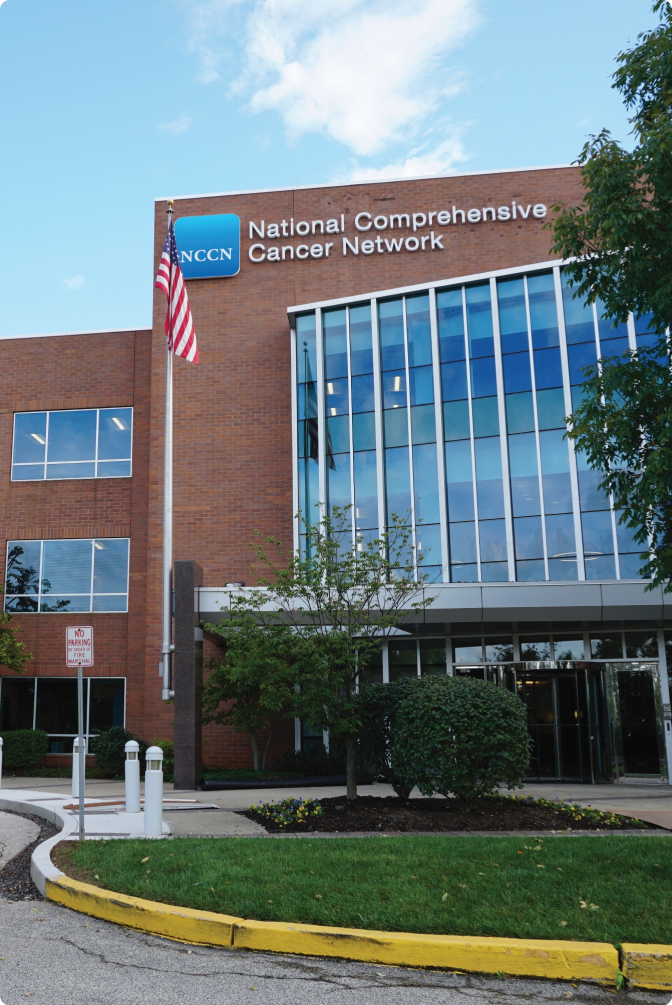
National Comprehensive Cancer Network (NCCN)The National Comprehensive Cancer Network (NCCN) is a trusted nonprofit alliance of leading cancer centers that develops evidence-based guidelines and resources to support cancer care. NCCN is dedicated to advancing high-quality, equitable, and accessible care through expert-driven recommendations used by patients, caregivers, and clinicians worldwide. Within the NCCN Guidelines, Uterine Neoplasms is a dedicated section that provides detailed, evidence-based guidance specific to endometrial and other uterine cancers. We encourage our Peach community to explore these resources by signing up on the NCCN website and reviewing both the clinical and patient-friendly guidelines. These tools can help patients and caregivers better understand care pathways and feel more informed when engaging in conversations with their healthcare teams.
|
|
|
|
|
|
|
Source: InvestigateTV, Writers: Heather Graf, Shannon Weston, and Rebecca Knier
Recent InvestigateTV reporting reveals a significant shift in cancer trends in the United States. For the first time, women under age 65 are more likely to be diagnosed with cancer than men in the same age group.
The American Cancer Society projects that more than 2 million new cancer cases will occur in 2025. This emerging trend among younger and middle-aged women challenges established assumptions about cancer risk and underscores the need for further research, increased awareness, and earlier interventions in women's health.
|
|
Source: MedPage Today, Writers: Adam Ash, DO
Recent coverage in MedPage Today presents results from a large national cohort study on fertility-preserving treatments in young women with early-stage endometrial cancer.
The study found that survival outcomes were similar between hormonal therapy and hysterectomy for women under 40, suggesting fertility-preserving strategies may be appropriate for carefully selected patients. In contrast, women aged 40 to 49 had less favorable outcomes, highlighting the need for strict patient selection, ongoing monitoring, and further research to clarify long-term effects.
|
|
Source: Contemporary OB/GYN, Writer: George L. Maxwell, MD
Bayer has initiated the SUNFLOWER Phase 3 clinical trial to evaluate the 52-mg levonorgestrel-releasing intrauterine system (Mirena) as a potential treatment for nonatypical endometrial hyperplasia (NAEH). NAEH is a benign thickening of the uterine lining that can cause heavy or abnormal bleeding and, if left untreated, may progress to uterine cancer.
Currently, no FDA-approved medical treatments exist for NAEH, underscoring a significant unmet clinical need. The SUNFLOWER study will compare Mirena with oral progestin across approximately 90 centers in the United States, Canada, and China to assess safety and lesion resolution. Early findings from this trial may inform the development of new therapeutic options for individuals affected by this condition.
|
|
Source: SDPB, Writer: Jackie Hendry
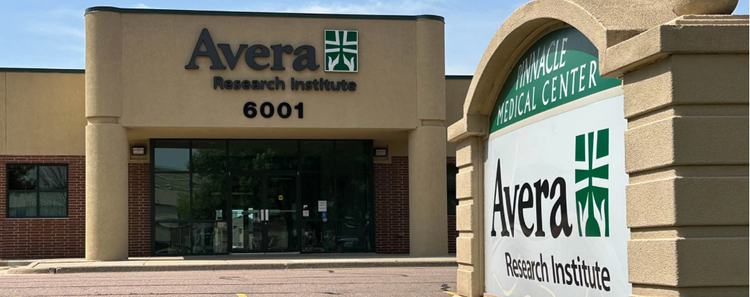
Recent SDPB reporting highlights rising rates of endometrial cancer in the United States and the initiation of research to improve understanding and detection of the disease. Physicians at the Avera Research Institute have launched a clinical study to investigate improved screening methods, as current techniques such as ultrasound and biopsy may cause patient discomfort.
With approximately 70,000 women affected annually, ongoing research underscores the need for more effective diagnostic tools and a greater focus on this prevalent gynecological cancer.
|
|
Source: The Gazette, Writer: Fern Alling
New reporting from The Gazette highlights research led by University of Iowa PhD student Katie Colling to improve treatment options for endometrial cancer, a historically underfunded gynecological cancer. Using tumor models derived from patient tissue, her work examines hormone-based therapies that could offer alternatives to surgery and expand treatment options for patients, including those seeking fertility preservation.
“I think uterine cancer is a health issue that’s been neglected for a really long time,” Colling said. “It is gaining traction and picking up speed, and hopefully our work is going to be able to have a big impact on the lives of these patients.”
|
|
Catch up on everything you may have missed. Visit ECRFpeach.org/resources to explore past Monthly Newsletters and browse all blog content in one place.
|
|
|
|