
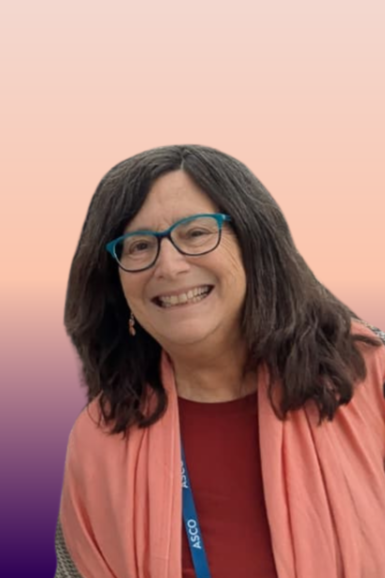
For Corby Arthur, Founder and President of the Endometrial Cancer Foundation (ECRF), the need for continued endometrial cancer research is deeply personal.
Since her diagnosis in 2015, Corby has navigated multiple recurrences, complex treatment decisions, and the uncertainty of living with persistent cancer. Her experiences have shaped her understanding of the challenges patients face when treatment options are limited and important questions about the disease remain unanswered.
Today, those experiences continue to influence her patient advocacy, research interests, and leadership of ECRF.
A Journey That Shaped Her Perspective
Corby's experience began with symptoms initially dismissed as menstrual-related concerns. After nearly a year of seeking answers, she was diagnosed in 2015 with Stage IB, grade 3 endometrial cancer that was estrogen and progesterone receptor-positive (ER+/PR+).
Her initial treatment included a hysterectomy and brachytherapy, a form of internal radiation. In 2016, the cancer returned, affecting two pelvic lymph nodes and requiring additional radiation and chemotherapy.
Since then, Corby has experienced multiple recurrences. Alongside her spouse and caregiver, she has navigated ongoing disease monitoring, treatment decisions, and the challenges of living with recurrent cancer.
Her treatment history includes chemotherapy, radiation, hormone therapy, and localized procedures such as cryoablation. Molecular testing has classified her cancer as No Specific Molecular Profile (NSMP), one of the major molecular categories of endometrial cancer. NSMP includes tumors with different biological characteristics and clinical outcomes. [1]
These experiences have strengthened Corby's interest in molecular testing, more individualized treatment approaches, and research that may expand options for patients with recurrent disease.
Finding Purpose Through Patient Advocacy
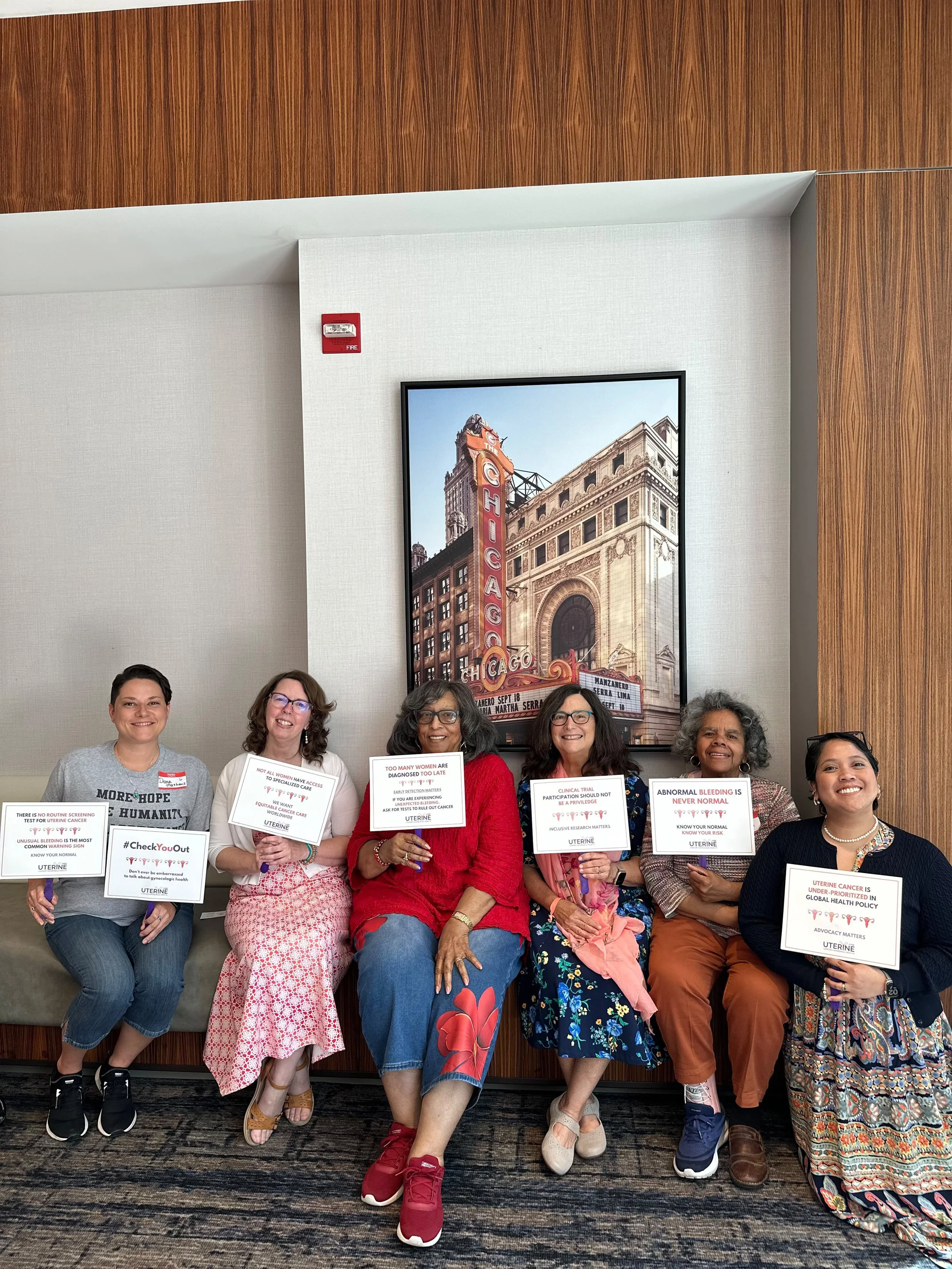
Beyond her own cancer experience, Corby has dedicated time to supporting others affected by endometrial cancer.
Through her involvement with SHARE Cancer Support, including its uterine cancer helpline, she has supported patients seeking information, guidance, and connection. Her advocacy experience has also included patient education, support group facilitation, and volunteer training.
These interactions have broadened her perspective on the challenges patients encounter, from delayed diagnosis and navigating treatment decisions to finding reliable information and identifying clinical trial opportunities.
Corby has also become increasingly concerned about disparities in cancer outcomes, particularly the disproportionate mortality burden among Black women with endometrial cancer. [2]
Her experiences as a patient and advocate have reinforced her commitment to improving awareness, access to care, and opportunities for research that address the needs of the endometrial cancer community.
The Vision Behind ECRF
Living with recurrent endometrial cancer and supporting others through their experiences led Corby to recognize the need for greater research funding and more opportunities for scientific discovery.
In June 2025, she led the establishment of ECRF, bringing together fellow patients living with endometrial cancer and professionals with diverse backgrounds and expertise.
Working alongside the organization's co-founding members, Corby helped shape ECRF's initial direction and its commitment to keeping the perspectives of those affected by endometrial cancer central to its work.
Her leadership continues to be informed by her personal experience, her connections with the patient community, and her belief that research should address the questions and challenges patients encounter throughout diagnosis, treatment, and survivorship.
Research Priorities and Future Possibilities
Corby has developed a particular interest in research examining the biological diversity of endometrial cancer, including NSMP tumors, and how molecular characteristics may influence treatment decisions and outcomes.
She continues to follow developments in molecular biomarkers, circulating tumor DNA (ctDNA), liquid biopsies, and clinical trials that may contribute to earlier detection, improved disease monitoring, and more personalized treatment approaches.
Her research interests also extend to the broader needs of the endometrial cancer community, including more effective treatments, clinical trial access, survivorship, and quality of life.
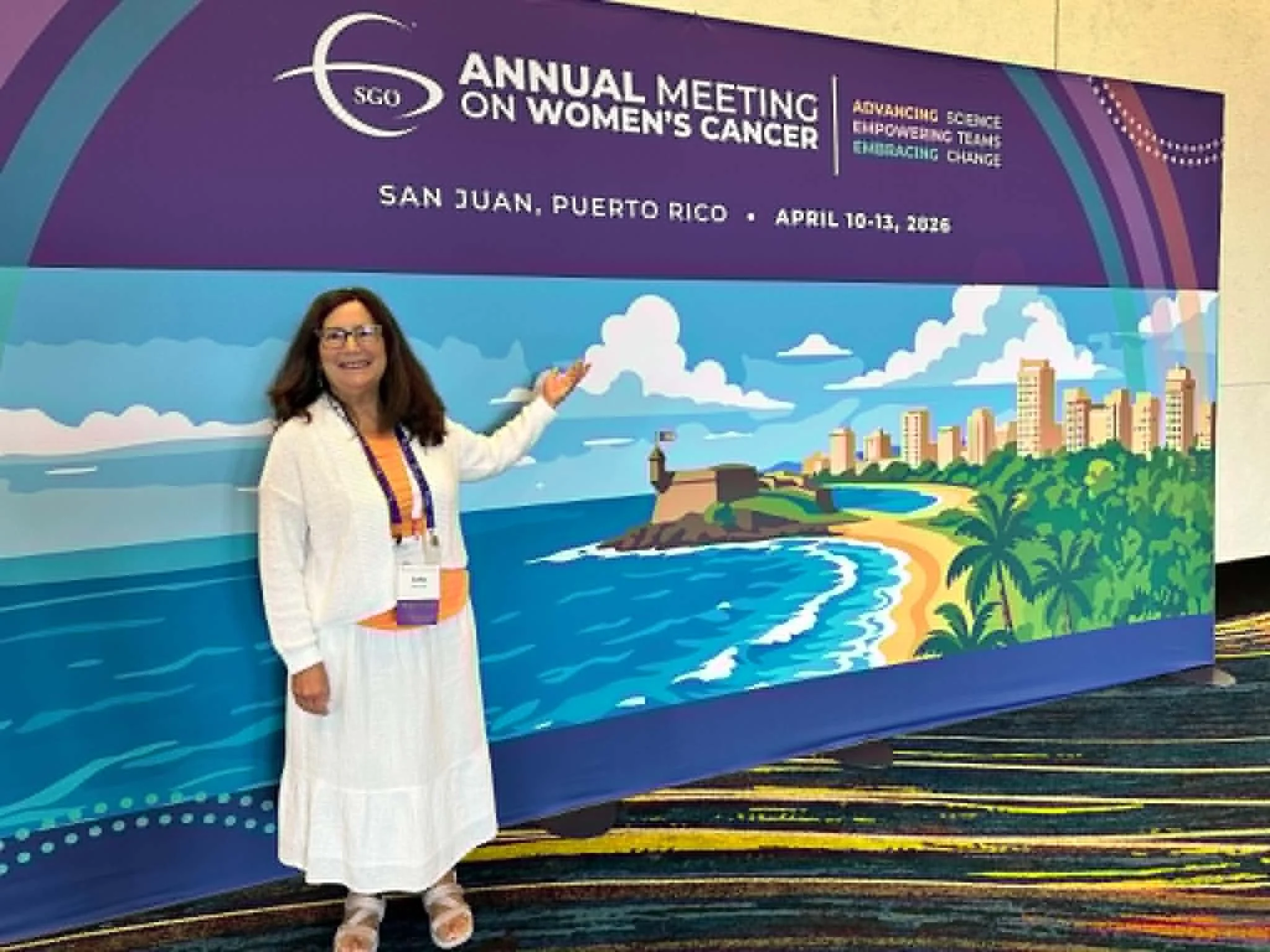
Through ECRF, Corby hopes to expand support for translational research, including early-stage investigations that may provide a foundation for larger scientific studies and collaborations.
ECRF's first seed-funded research project represents an initial step in that direction, supporting an investigation into a less-invasive approach to detecting endometrial cancer in women with Lynch syndrome.
Looking ahead, Corby hopes to see more opportunities for researchers to explore unanswered questions, collaborate across institutions, and pursue discoveries that may improve care for people affected by endometrial cancer.
“Every advancement in endometrial cancer research begins with a commitment to asking questions, challenging what we know, and exploring what is possible. At ECRF, we believe that supporting research today can open doors to discoveries that will shape better care and outcomes for generations to come.”